
Anxiety is a natural response to stress, characterized by feelings of worry, fear, and unease. It can manifest physically and mentally, impacting daily functioning. Persistent or excessive anxiety may indicate an anxiety disorder, requiring professional intervention for effective management.
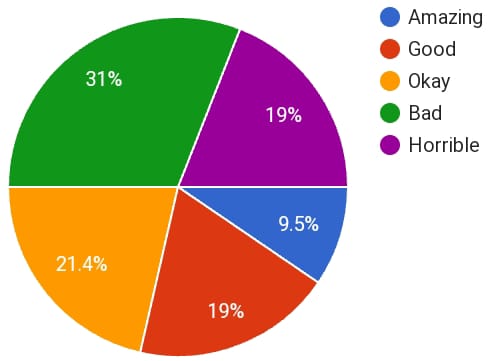
51% of the students reported high stress levels in the past month.
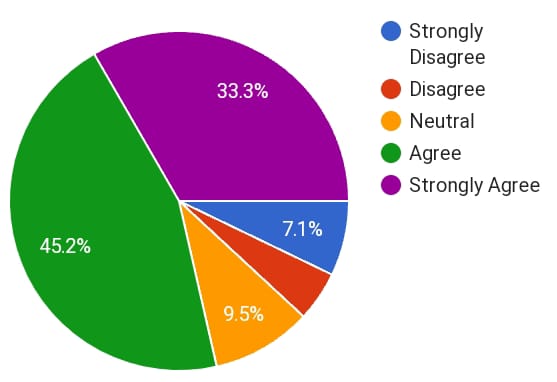
78% students find it hard balancing academic reponsibilities and personal life.
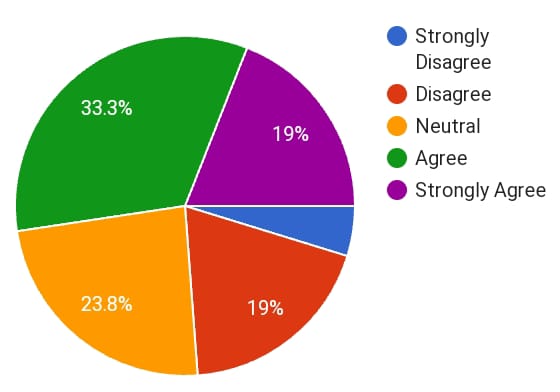
Upto 53% students reported that they have experienced physical symptoms like headace and sleep disturbances.

Reducing anxiety through socializing involves gradually exposing yourself to social situations, practicing positive self-talk, and focusing on the enjoyment of connecting with others rather than fearing judgment.
Engaging in regular exercise helps reduce anxiety by promoting the release of endorphins, the body's natural stress relievers, and providing a healthy outlet for emotional tension.
Promote better sleep and nutrition by maintaining a consistent sleep schedule and incorporating a balanced diet rich in nutrient-dense foods
Enhance time management skills by prioritizing tasks, setting realistic goals, and utilizing tools like calendars and to-do lists for effective organization.